
After the Farm Stands Close, Water Mill Spends the Winter Looking at ...
read article
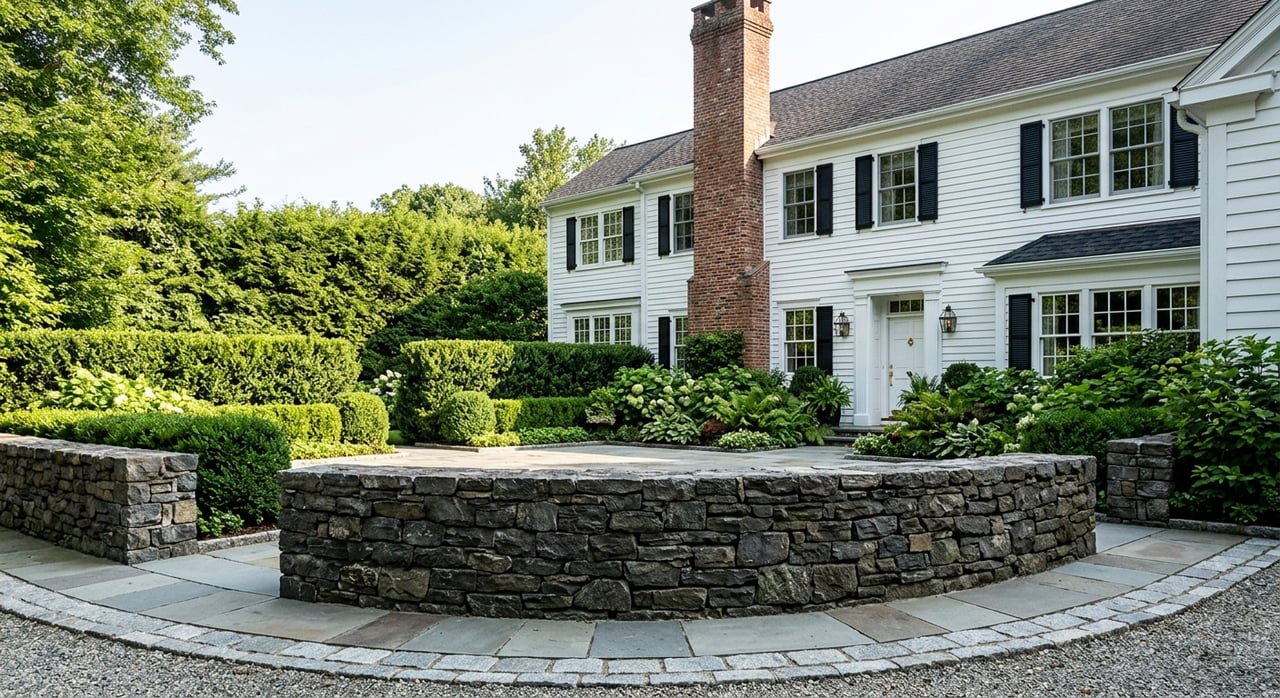
If you have been searching Amagansett estate listings and still feel like the best properties are staying out of view, you are not imagining it. In a privacy-driven hamlet where many owners are seasonal and inventory across the Hamptons remains tight, some of the most compelling opportunities never start on the public portals. Understanding how off-market estates work can help you approach this niche with more clarity, better timing, and a stronger plan. Let’s dive in.
Amagansett operates inside a very specific market environment. The Town of East Hampton’s Plan for Amagansett describes the hamlet as low-density and highly seasonal, with a year-round population of 1,290 and 70.7% of housing units devoted to seasonal use. The same plan notes that about 45% of the land is preserved open space, which helps explain why inventory can feel limited and highly selective.
That local backdrop sits inside a strong regional luxury market. In the Hamptons, Miller Samuel reported a record median sales price of $2,412,500 and a record average sales price of $4,257,787 in the first quarter of 2026, with 21.2% of closed sales above $5 million. When supply is constrained and pricing is already elevated, private inventory becomes even more relevant for buyers who want access beyond what is publicly visible.
In a market known for high-value homes and part-time occupancy, some owners prefer to limit broad exposure. That can mean avoiding public photos, reducing visible showing traffic, or keeping floor plans and property details from circulating widely. For estates with a stronger privacy profile, a private launch can be part of the overall strategy.
NAR’s model MLS rules provide a formal framework for this. A seller can direct a broker not to publicly market a property, creating what is commonly called an office-exclusive exempt listing. A seller can also allow delayed marketing, where the property is entered into the MLS but public syndication is postponed for a local period.
A limited-exposure phase can give a seller more control over how interest is introduced. In practice, that may help a homeowner assess early feedback, buyer fit, and launch timing before opening the property to a broader audience. In a market like Amagansett, that controlled approach can be appealing when expectations are high and discretion matters.
East Hampton is not a simple one-size-fits-all market. The town describes itself as a 69-square-mile peninsula with 131 miles of coastline and 16,530 acres of protected open space. The town also notes that many developed parcels still rely on antiquated cesspools or traditional leach fields, which means estate transactions can involve additional review around land use, systems, and future planning.
For some sellers, a private process creates more room to manage those moving parts. If a property has coastal considerations, wastewater upgrade questions, or renovation-related issues to sort through, a quieter sales path may feel more practical.
One of the biggest buyer misconceptions is that off-market is a single category. In reality, private inventory can take different forms, and the details matter.
Under NAR’s model rules, an office-exclusive listing is one where the seller has directed the broker not to publicly market the property and not to disseminate it through the MLS to other participants and subscribers. These opportunities are generally the most relationship-driven. If you are waiting for public websites to surface them, you may never see them.
Delayed marketing works differently. In that structure, the listing is filed with the MLS, but public syndication is held back for a set local period. That means a home may be temporarily private, then move into wider public view later.
For buyers, this distinction is important. Some properties are truly limited to a small network, while others are simply in an early, controlled phase before broader exposure.
In Amagansett, access is often relationship-based rather than search-based. Because private opportunities may not be broadly distributed, buyers usually benefit most from working with an advisor already active in the local broker network. That is often how early awareness happens in office-exclusive and pre-public situations.
This is especially relevant in a market where privacy is part of the value proposition. Sellers with limited-exposure strategies are often not looking for mass inquiry. They are looking for qualified, credible, well-aligned buyers.
If you want to compete for private opportunities, vague interest rarely helps. Sellers and their representatives often want to know whether your needs actually match the property before opening a conversation. That means you should be clear about:
The clearer your profile, the easier it is for a trusted advisor to recognize the right fit and present you credibly.
Off-market does not always mean slow-moving. In a supply-constrained luxury segment, the strongest buyers are often the ones who can act quickly once the right property appears. That does not mean rushing through diligence. It means being organized enough to evaluate the opportunity without losing momentum.
Usually, no. A private sale does not automatically mean a discount, especially in today’s Hamptons market. With record regional pricing and a meaningful share of closings above $5 million, limited exposure often reflects discretion, not distress.
In many cases, an off-market estate may trade at a level that reflects its privacy, location, land profile, or long-term hold value. Buyers should approach these opportunities as access plays, not bargain bins.
A quieter transaction does not reduce the need for full review. In New York, the Property Condition Disclosure Statement must be delivered before the buyer signs a binding contract for residential real property. The state form also makes clear that the disclosure is not a warranty and is not a substitute for inspections, tests, or review of public records.
That point is especially important in Amagansett, where coastal conditions, zoning constraints, and wastewater systems can influence value and future plans. Privacy may shape how a property is introduced, but it does not change what you need to verify.
In a coastal hamlet, flood-zone review is a core part of estate due diligence. East Hampton Town has stated that minimum elevation requirements for construction in flood hazard areas are being revised under New York State building codes effective December 31, 2025, and applicants are directed to consult the state code until the town updates its own code.
If you are considering renovation, expansion, or a teardown and rebuild, these rules may matter as much as the current home itself. A property that works for your lifestyle today may carry different construction implications tomorrow.
East Hampton’s septic materials state that many developed parcels still use antiquated cesspools or traditional leach fields. The town also offers rebates for qualifying low-nitrogen system upgrades, with higher incentives in the Water Protection District. For buyers, this means septic age, current system type, possible upgrade requirements, and timing should all be reviewed before terms are finalized.
On estate properties, wastewater considerations can affect both budget and schedule. That is one reason local knowledge is so valuable in this segment.
For private transactions, documentation review becomes even more important because you may have less public-facing marketing information to work from. Buyers should understand what has been permitted, what may have been altered, and whether future plans align with local requirements. In a market like Amagansett, that review is part of buying intelligently, not just cautiously.
If your goal is to access the strongest private opportunities, your approach should be both discreet and disciplined. In a market shaped by seasonality, preserved land, and a narrow pool of high-intent buyers, the best outcomes usually come from preparation rather than reaction.
A smart buyer strategy often includes:
In other words, access is only part of the equation. The real advantage comes from pairing access with sound judgment.
If you want a discreet path into Amagansett’s private estate market, working with an advisor who understands both local nuance and relationship-driven inventory can make a meaningful difference. To start a confidential conversation and Request Private Access, connect with Matthew Breitenbach.
Elevate your real estate strategy with a discreet, advisory-led approach—connect with Matthew Breitenbach.