
Amagansett's Center of Gravity Moved West This Summer. Here's the Map.
read article
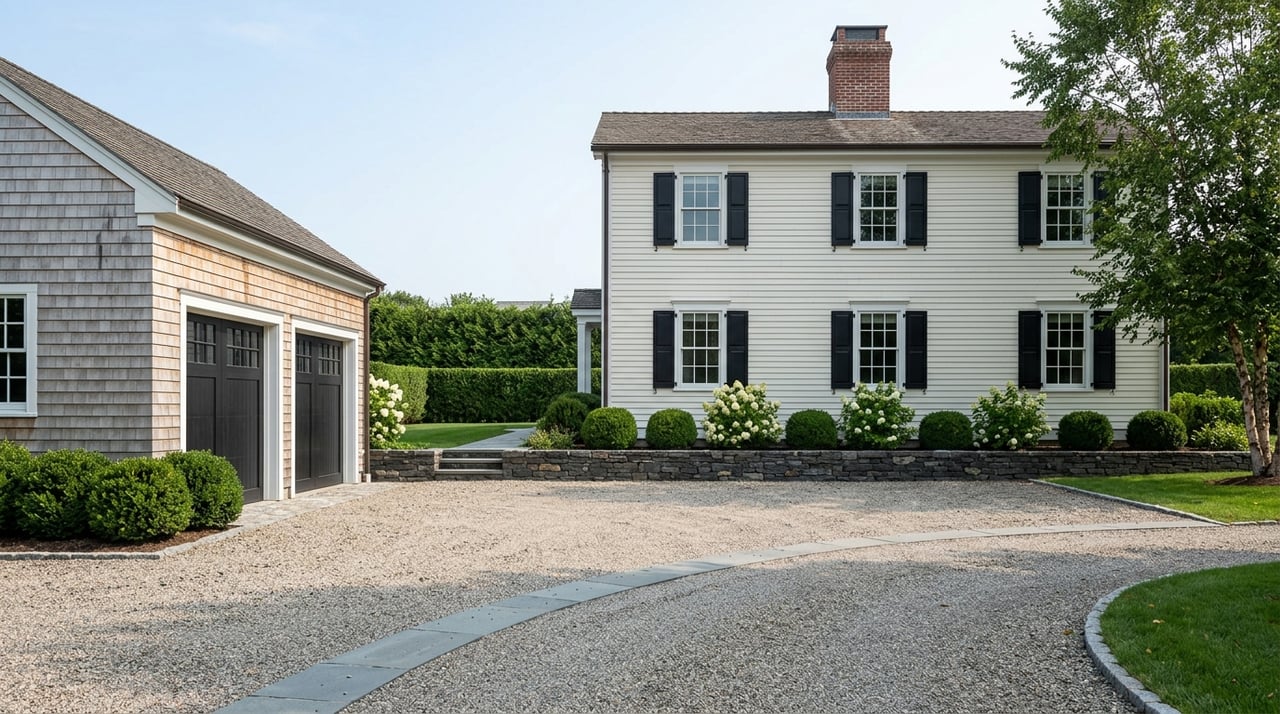
If you are thinking about buying a second home in East Hampton, the biggest mistake is treating it like one simple market. In reality, your ownership experience can change meaningfully based on whether the property sits in East Hampton Town, East Hampton Village, or another nearby incorporated area. When you understand the rules around location, usage, financing, and taxes before you buy, you can make a far more confident decision. Let’s dive in.
East Hampton includes multiple hamlets within the Town of East Hampton, including Amagansett, East Hampton, Montauk, Springs, and Wainscott. East Hampton Village is separate, with its own municipal structure and tax bill. For you as a second-home buyer, that distinction affects much more than the mailing address.
A home in the village may come with different tax timing, beach rules, and local ownership considerations than a home in the town. That means two properties with similar price points can deliver very different day-to-day ownership experiences. In East Hampton, the jurisdiction is part of the asset.
East Hampton’s policy environment is strongly focused on preservation. The town states that its clearing laws are designed to protect harbors, bays, the aquifer, and rural character. If you are considering renovations, expansion, or site changes, those rules should be part of your due diligence from the start.
The town also directs property owners to think carefully about flood-prone land, storm-surge exposure, hurricane planning, and evacuation routes. For a second home, that matters because seasonal enjoyment and long-term resilience often go hand in hand. A beautiful property is only part of the equation.
For many buyers, the practical target is a one-unit home intended for personal use, with the option for occasional rental and code-compliant maintenance. That aligns with how conventional lenders generally define a second home. It also matches the ownership pattern many East Hampton buyers want.
In practice, that usually points you toward detached homes rather than larger multifamily properties. Depending on your goals, you may be evaluating village houses, waterfront homes, renovated traditional properties, newer construction, or parcels with future renovation potential. Each comes with a different balance of lifestyle, carrying costs, and regulatory review.
Second-home financing is often more restrictive than buyers expect. Fannie Mae says a second home must be occupied by the borrower for part of the year, must be a one-unit property, must be suitable for year-round occupancy, must remain under the borrower’s exclusive control, and must not be a rental property or timeshare. Rental income from a second home generally cannot be used to help you qualify.
Freddie Mac follows a similar framework, although it notes that a second home with seasonal limitations may still be eligible if the appraiser supports marketability with comparable seasonal sales. In a coastal market like East Hampton, that distinction can matter. The practical takeaway is simple: your financing plan should reflect how you will truly use the property.
If you already own other financed properties, expect your lender to take a deeper look at reserves. Fannie Mae requires additional reserves when a borrower has multiple financed properties and the new loan is secured by a second home or investment property. In a high-value market, this can become an important part of your cash planning.
That is one reason sophisticated buyers often benefit from mapping out the full ownership picture early. Purchase price is only one piece of the decision. Liquidity, reserves, taxes, and future site costs all matter.
Many second-home buyers like the idea of occasional renting, but East Hampton is not a market where you want to make assumptions. The Town of East Hampton has a Rental Registry for residential properties rented by the week, month, season, or year. Owners need a Rental Registry number, a self-inspection checklist, and a Certificate of Occupancy on file.
The town brochure states that rentals of less than two weeks may occur only twice in six months. Rentals of two weeks or longer are not capped by that particular registry rule. It also states that owner-occupied homes renting out one or two rooms do not need to register.
The same brochure says non-owner-occupied rentals are limited to no more than four unrelated persons and no more than four cars. It also states that the town’s rental-registry law does not apply in the incorporated villages of East Hampton and Sag Harbor. That means the exact location of the home changes the compliance framework.
If part of your ownership strategy includes seasonal rentals, you should evaluate that plan before making an offer. A property that looks ideal on paper may not fit the rental pattern you had in mind. In East Hampton, usage rules are not a side issue. They are central to the purchase decision.
For many buyers, beach access is one of the defining reasons to own in East Hampton. East Hampton Village states that a Town of East Hampton beach-driving permit is required to drive on the beach. The village also says no vehicles are permitted on village beaches from 9 a.m. to 6 p.m. from May 15 through September 15.
The village’s three lifeguard-protected beaches are Main Beach, Georgica Beach, and Two Mile Hollow Beach. These details may sound small at first, but they shape how you use the property during peak season. If your vision of a second home is tied to daily beach routines, permit rules and local access policies deserve real attention.
East Hampton second-home buyers should budget carefully for transfer and ownership taxes. New York State imposes a real estate transfer tax on conveyances over $500 at a rate of $2 for each $500 of consideration. The state’s mansion tax adds another 1% of the sale price on residences of $1 million or more.
In addition, Suffolk County’s Peconic Bay Region form shows a 2% Community Preservation Fund tax and a 0.5% Community Housing Fund for East Hampton, subject to specific allowances and exemptions. In a luxury market, these line items can materially change your closing costs. They should be part of your acquisition model from day one.
Property tax timing also differs by municipality. East Hampton Village says village residents pay both Village and Town taxes, and village taxes are due in August. The village also states that the assessed value of a residential property there averages about 2% to 4% of market value.
Suffolk County says town, school, and county taxes run on a December 1 through November 30 tax year and are payable from December 1 through May 31. If you are comparing homes across jurisdictions, this is another reminder that ownership costs are not always apples to apples.
If the home is truly a second home, you generally should not expect STAR relief. New York’s STAR rules require the property to be the owner’s primary residence. For many buyers, that is an easy detail to miss during early planning.
This is one more reason to evaluate the property as it will actually be used, not how you might casually describe it. Tax treatment follows facts, not wishful thinking.
If you plan to buy through an LLC, know that the closing process may involve added documentation. New York’s transfer-tax instructions say that when an LLC is the buyer or seller in a deed transfer of a building with up to four family dwelling units, the filing must include documentation identifying the LLC’s members, managers, and other authorized persons.
For privacy-minded and high-net-worth buyers, entity ownership may still be part of the strategy. The key is understanding that it can add another layer to transaction preparation. A well-organized team helps keep that process smooth.
If you are buying with renovation or expansion in mind, East Hampton requires extra discipline. The town’s preservation-oriented rules mean clearing, landscaping changes, septic considerations, and other site work can trigger review. That is especially important if you are looking at properties where value creation depends on improvements.
Accessory dwelling units may be possible on some East Hampton Town parcels, but they are not permitted in the Harbor Protection Overlay District or Affordable Housing Overlay District zones. Adding an ADU may also trigger sanitary-system upgrades or a new system approval through Suffolk County Health Services. If future flexibility matters to you, confirm what the site can support before you close.
East Hampton appeals to buyers who want a luxury second home with beach access, village prestige, and relatively clear boundaries around rentals and site use. Still, it helps to compare it with nearby options so you are choosing the right framework, not just the right house.
East Hampton Village offers the classic village-and-beach setting many buyers picture first. It combines a recognizable village core, tightly managed beach access, and a separate village tax structure. If you want that iconic East End experience, this is often the benchmark.
Southampton offers a broader municipal setup and an extensive coastline of ocean and bay beaches. Its beach permit structure is organized around town beaches rather than a single village core. For some buyers, that creates a different kind of ownership experience with a wider geographic feel.
Sag Harbor centers more on a harbor village environment than an ocean-beach identity. The village’s harbor-and-docks office manages seasonal and transient dockage and moorings, and the area spans both Southampton and East Hampton. If your priorities lean more toward village walkability and harbor access, Sag Harbor may offer a different rhythm.
Montauk is the most maritime and seasonal of the nearby options. East Hampton’s Montauk Hamlet Plan describes it as a fishing village and tourist destination, and the town’s emergency guidance emphasizes flood, hurricane, and storm-surge planning. If you are considering Montauk, resilience and weather exposure should be central to your review.
Before you move forward, it helps to pressure-test your plan with a few practical questions:
These are not minor details. In East Hampton, they shape the value, usability, and long-term ease of ownership.
Buying a second home here is rarely just about finding the prettiest property. It is about matching your lifestyle, financing, tax planning, and compliance needs to the right micro-market and the right parcel. If you want discreet guidance on East Hampton second-home opportunities, private inventory, or the nuances between local submarkets, Matthew Breitenbach can help you navigate the search with precision.