Hamptons Luxury Real Estate Market Digest
read article
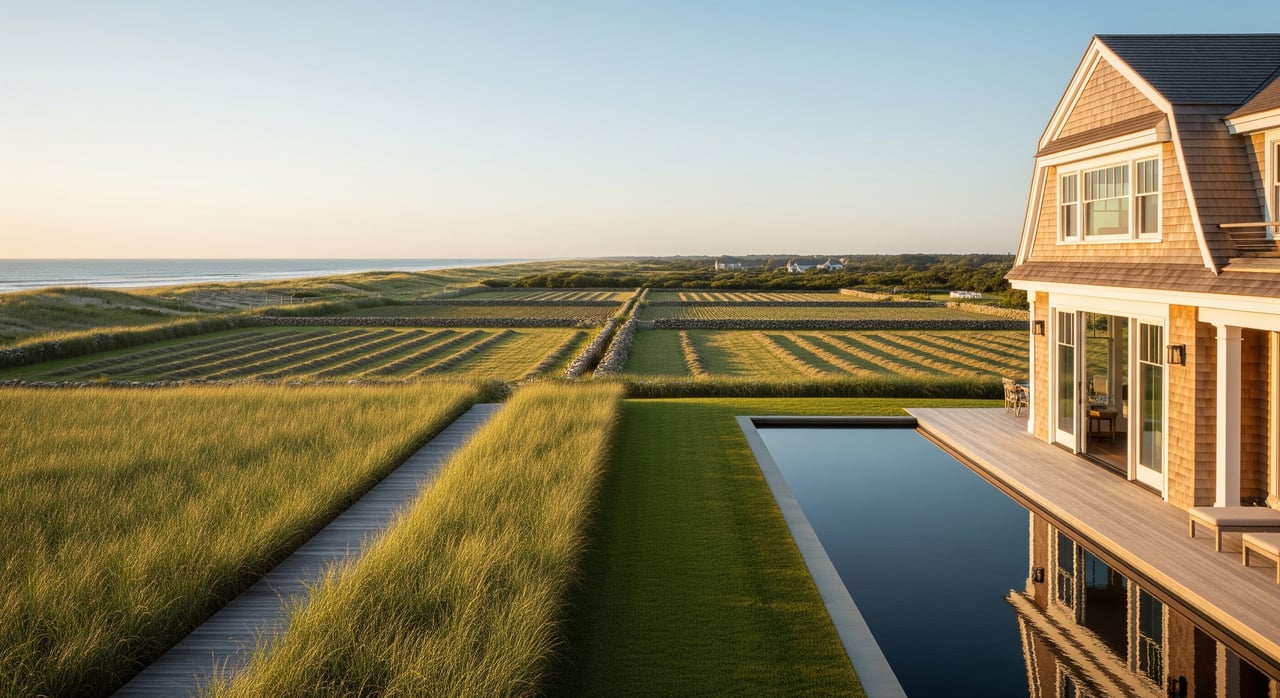
Imagine stepping from a dune path to a farm stand in the same afternoon. That is the everyday rhythm in Sagaponack, where fields and ocean live side by side. If you are weighing a home here, you want the romance and the realities: how privacy works, what you can build, and how seasonality shapes life. This guide gives you a clear view of the setting, rules that protect it, and smart buyer and seller steps so you can move with confidence. Let’s dive in.
Sagaponack sits on the South Fork between open farmland and Atlantic beaches. You see wide fields, trimmed hedgerows, and long private drives that lead to estate homes. Roads are narrow and rural in feel, and sidewalks are limited in many areas. The result is a calm, low-density setting where the landscape does a lot of the talking.
Many properties back to protected farm parcels or look toward coastal vegetation and dunes. You get big skies and long views, and in the right spot, ocean vistas. The built environment is mostly single-family estates, often used seasonally, with privacy as a clear priority.
Summer brings energy, guests, and weekend traffic. You will find active beaches, kids outside, and a steady social calendar across the South Fork. Listings tend to bloom in spring and closings often cluster from summer into early fall.
In the off-season, life slows down. Restaurants nearby may shift hours, services thin out a bit, and privacy rises. Many homes are managed remotely or by local property teams, so seasonal transitions are part of the routine.
You come to Sagaponack for coastal air and country calm. Your weekends can look like this:
Inside Sagaponack, retail is limited. That is part of the appeal. You get a private residential feel, with everyday dining and shopping close by in neighboring villages.
The character you see in Sagaponack is not an accident. It is shaped by a mix of village, town, county, and state rules that protect open space and the coast. Understanding these controls helps you plan improvements and evaluate value.
Zoning favors large lots and low density. Rules set building height, setbacks, coverage, and what accessory structures you can add. Some areas include cluster or open-space design, plus agricultural and coastal overlay districts. Always confirm the exact zoning and any special overlays before you design a project.
Many farm parcels are preserved through conservation easements or purchase-of-development-rights programs. These tools limit future development, which helps keep your open views. If you live near active fields, expect normal farm operations. Right to Farm provisions protect typical activities like machinery use, irrigation, and seasonal spraying. A privacy hedge or landscape buffer can help you manage sound or sightlines while staying neighborly.
Some streets and beach areas are managed by private associations. Covenants may cover shared-road maintenance, beach access, guest parking, dune path use, and community rules. Review these documents early so you understand fees and any limits on events, signage, or short-term rentals.
Ocean proximity is a gift and a responsibility. Coastal regulations influence where and how you can build, and they shape insurance and maintenance decisions.
If a property sits near the shore, you may encounter FEMA flood zones. That can trigger elevated foundations or piles, limits on habitable space below certain heights, and stricter materials standards. Dune setbacks and coastal erosion rules apply along the shore. If wetlands are present, New York State Department of Environmental Conservation approvals can be part of the process.
Flood insurance and wind or hurricane coverage are common considerations near the coast. Premiums vary with elevation, distance to the ocean, construction methods, and mitigation features. Get quotes during due diligence rather than after contract, and keep an eye on how any planned renovations might change risk ratings.
Dunes protect the shoreline. In these zones, vegetation removal is tightly regulated, and new plantings may be required for stabilization. Expect careful review of plans that affect dune areas, ground cover, or beach access paths.
Day-to-day living in Sagaponack is simple once you know the basics. Plan around access, utilities, and service availability.
You will rely on your car for most errands. Summer weekends slow travel on east–west routes. The LIRR Montauk Branch serves the South Fork with stations in nearby villages such as Bridgehampton and Southampton. For air travel, you have regional charter options on the East End and major commercial hubs farther west.
Many homes use on-site septic systems and either municipal water or private wells. If you are planning to expand a home, Suffolk County Department of Health Services approvals often apply to septic capacity and upgrades. Broadband and cell service can vary by street, so confirm your provider options during showings to support remote work and streaming.
Public school district lines are nuanced across the South Fork. Verify the district for any specific address rather than relying on a general map. Private school and seasonal childcare options sit in nearby villages. Families also consider proximity to activities like equestrian programs and sailing clubs when choosing a home.
Local emergency services are a mix of volunteer and municipal providers. Response times can be longer than dense suburbs, so it is wise to share your exact address with local departments. Many estate owners also install security systems and engage property managers for seasonal oversight.
Use this checklist to move efficiently and avoid surprises:
Selling in Sagaponack is about storytelling and documentation. Position your property to highlight privacy, acreage, and lasting views.
You can solve most issues with planning. Expect and vet these early:
You are likely a match if you value privacy, ocean air, and open views, and you are comfortable with a rural road network and limited in-village retail. You get the best of two worlds: mornings at the beach and evenings looking across fields, with culture and dining a short drive away.
If you want a home that feels like a retreat yet sits near the Hamptons social and arts scene, Sagaponack delivers that balance. The rules that shape the landscape are not hurdles. They are the framework that keeps the place you love intact.
Choosing the right lane in Sagaponack takes access and nuance. If you want private inventory, clean due diligence, and a plan for value, connect with an advisor who lives this market. For on-market and off-market opportunities, curated tours, and strategic guidance, reach out to Matthew Breitenbach. Request Private Access.
Elevate your real estate strategy with a discreet, advisory-led approach—connect with Matthew Breitenbach.