
What Defines Value On Meadow Lane And The Estate Section
read article
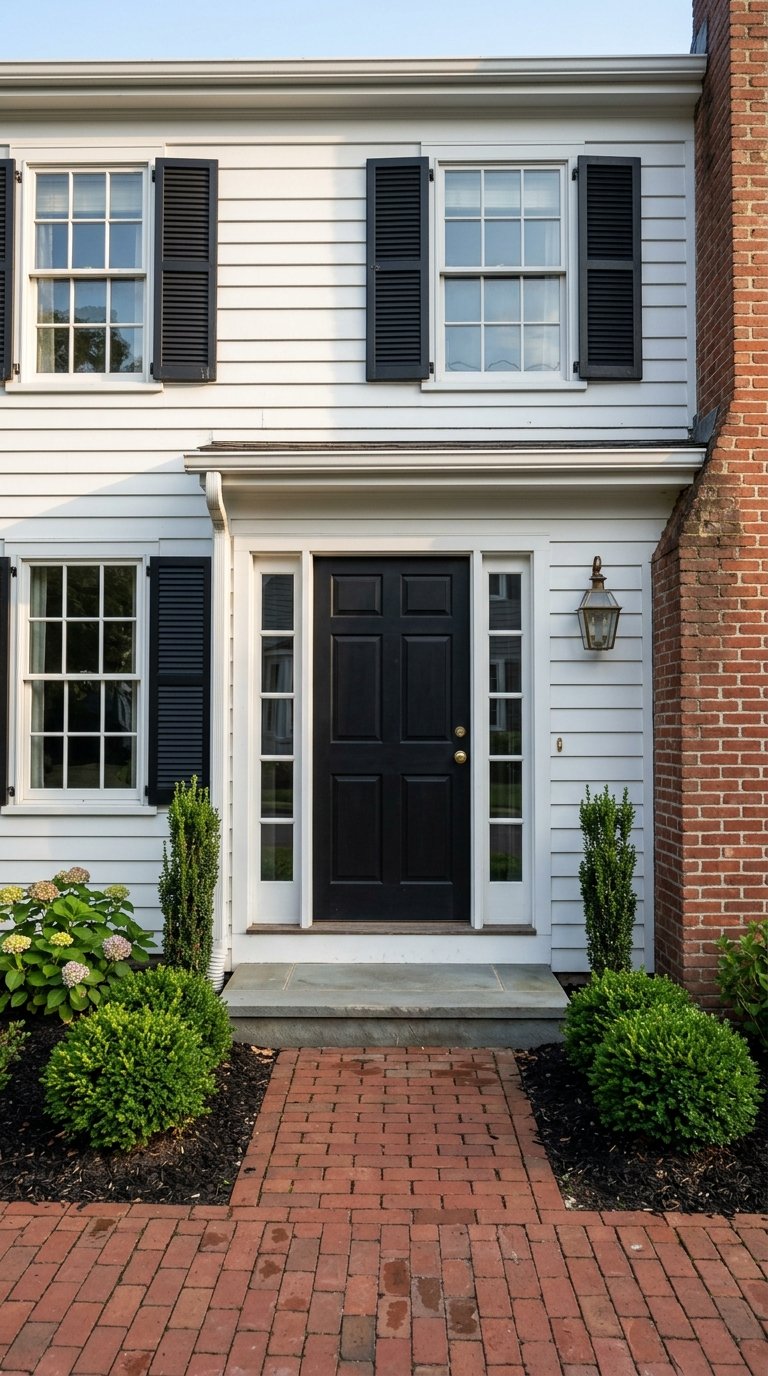
Thinking about buying, renovating, or selling a home in Sag Harbor’s historic district? The appeal is easy to understand: architectural character, a strong sense of place, and a streetscape the village actively works to preserve. But if a property falls within the local historic district, your plans for exterior changes may follow a different path than they would elsewhere. This guide will help you understand what the rules actually do, what kinds of work may trigger review, and how to plan with fewer surprises. Let’s dive in.
One of the most important points to understand is that local historic regulation and National Register status are not the same thing. According to New York State Parks, State and National Register listing is generally non-regulatory for private owners using private funds. Local landmark laws are separate, and those are what control day-to-day approvals.
In Sag Harbor, the local zoning code creates the Board of Historic Preservation and Architectural Review and requires it to follow the Secretary of the Interior’s Standards. The code also states that the purpose of the law is to preserve the village’s historic character and help stabilize property values, as outlined in the Village code provisions.
That means if you are evaluating a home, your first step should be practical, not theoretical. You should verify whether the parcel is actually within the local historic district or is otherwise designated, using the Village Board page and district resources.
Historic district status does not prevent ownership or normal use of a home. What it changes most is the approval process for visible exterior work. If you plan to alter a property’s exterior appearance, the village may require a certificate of appropriateness before a building permit can be issued, as described in the Sag Harbor code.
For buyers, this affects renovation timing, design choices, and budget planning. For sellers, it can shape how you position a property, especially if prior approvals, plans, or preserved architectural details add clarity for the next owner.
In other words, the issue is usually not whether a project is possible. The question is more often how the project must be designed, documented, and reviewed.
Sag Harbor’s code is broad. It covers exterior alteration, restoration, construction, reconstruction, demolition, or moving of a structure, land, or historic trees and plantings within the district. It also applies to material changes in appearance that are visible from an adjacent street or adjacent property, based on the local review standards.
For most homeowners, the common triggers are fairly easy to recognize. They often include:
The Board may evaluate details such as floor area, building height, roof height, door and window arrangement, facade similarity, and how the proposal relates to the prevailing village character. Those review factors are specifically identified in the code.
Not every project goes through the same process. The code allows ordinary maintenance and repair when the work does not change the design, material, color, or outward appearance. Interior changes that are not visible from an adjacent street or property are also outside the Board’s review, according to the Sag Harbor regulations.
That distinction matters. Replacing worn materials with matching materials may be very different from installing something visually new. If your project falls near that line, it is wise to confirm the village’s interpretation before work begins.
Many owners focus on the house itself, but site work can also be part of the review. The application requirements reference photographs, elevations, materials, colors, tree removals or relocations, tree installations, and landscape elements such as sidewalks, aprons, driveways, terraces, retaining walls, and curbing in the application framework.
That means exterior planning should be holistic. If you are redesigning the house and grounds together, visible changes to the landscape may need the same level of attention as changes to the structure.
Pool projects are not specifically named in the code, but the language is broad enough that a pool, deck, fence, grading change, or retaining wall may fall into the review process if it alters visible exterior appearance. For luxury buyers and sellers in Sag Harbor, this can be especially relevant because outdoor amenities often play a major role in both enjoyment and resale positioning.
If your project requires review, you must file an application before starting exterior work that needs a certificate of appropriateness. Sag Harbor also encourages an informal pre-application meeting with the Board, which can help clarify issues early, based on the Village procedures.
Just as important, no building permit may be issued until the certificate of appropriiateness is granted. The certificate is separate from, and in addition to, any permit otherwise required under local law. That sequencing can affect contractors, architects, and project scheduling.
The Board can approve, deny, or approve with modifications. It may also require plan changes, exterior finish samples, landscaping revisions, or documentation related to architectural details or cultural remains, as set out in the code’s review authority.
Historic review is not always a quick administrative sign-off. A public hearing may be part of the process, and if the Board chooses to hold one, it must decide whether to hold that hearing within 30 days of receiving a complete application. The hearing itself must then be held within 60 days of receiving the complete application, with published notice and mailed notice to nearby owners as required by the Village code.
This is one reason buyers should build in more lead time when considering a post-closing renovation. Even a well-prepared project can take longer than a similar project outside the district.
A simple way to think about timing is this:
| Step | What to Expect |
|---|---|
| Parcel verification | Confirm district status and resource classification |
| Pre-application discussion | Early feedback from the Board may help shape the plan |
| Formal application | Submit plans, photos, materials, and other required information |
| Possible hearing | Public notice and nearby owner notification may apply |
| Certificate decision | Approval, denial, or approval with modifications |
| Permit coordination | Building permit can follow only after certificate approval |
Demolition is especially restricted in Sag Harbor’s historic district. The code states that no contributing building or landmark may be demolished except under limited exceptions. Applications involving demolition or removal receive additional review, and larger contributing buildings of 3,000 square feet or more go before the full Board, according to the demolition standards in the code.
If demolition is claimed to be necessary because of structural instability or deterioration, the applicant must provide a technical report from an architect or engineer, along with cost estimates for correction. This is a much higher bar than many buyers expect when first looking at a property with redevelopment potential.
Once a certificate is issued, the work must conform to that approval. The Building Inspector is responsible for compliance inspection, and the code allows a stop-work order if the project deviates from what was approved, as noted in the enforcement provisions.
There is also a hardship path after denial, but the threshold is high. The applicant generally must show that the property cannot earn a reasonable return and that efforts to locate a buyer willing to preserve the property have failed.
For practical purposes, this means planning carefully up front is far easier than trying to fix problems later.
The village’s own purpose statement says the ordinance is intended in part to protect the stability and value of real property. More broadly, preservation guidance from public agencies often cites improved or stabilized property values as a purpose of local preservation ordinances, and Sag Harbor’s code reflects that policy goal in its stated purpose.
That said, value outcomes should be framed carefully. Broader New York research suggests historic district designation can support values within districts and near district boundaries, though results vary by location and development pressure. For a specific Sag Harbor property, district status should be seen as a factor that may shape buyer demand, renovation flexibility, and long-term character, not as a guaranteed pricing result.
For sellers, this often creates a nuanced story. Some buyers are drawn to preserved architectural context and the predictability of a protected streetscape. Others place a premium on flexibility and shorter project timelines. Good positioning starts with understanding which audience your property is most likely to attract.
Insurance is another area where historic status can matter indirectly. The National Association of Insurance Commissioners notes that older homes can cost more to insure because they may have outdated systems or require harder-to-source materials. Historic homes may also need specialized coverage and can carry higher premiums.
The same guidance suggests owners think carefully about replacement cost. If a house requires historically appropriate materials or specialized craftsmanship, rebuilding may cost more than a standard replacement approach would suggest.
If a property includes or may include a pool, that can open a second insurance conversation. The NAIC treats a swimming pool as an attractive nuisance, meaning owners may need higher liability coverage, fencing or enclosure measures, and should expect possible premium impacts.
If you are buying in Sag Harbor’s historic district, due diligence should go beyond the usual home inspection and survey. You should verify district status, review whether the structure is identified as a contributing resource, and account for extra time if you plan visible exterior work. The Village Board page is a useful place to begin that verification.
If you are selling, it helps to organize anything that can reduce uncertainty for buyers. That may include prior approvals, design plans, permit history, or documentation showing what work was completed and when. In a market where architectural intent and preservation review can influence strategy, clarity adds value.
Sag Harbor remains one of the East End’s most compelling village markets because it combines history, design, and enduring demand. Navigating the historic district well is less about avoiding the rules and more about understanding them early. If you are evaluating a purchase, planning an exterior project, or preparing a property for sale, Matthew Breitenbach can help you approach the process with the discretion, local knowledge, and strategic clarity luxury real estate decisions require.