
What Defines Value On Meadow Lane And The Estate Section
read article
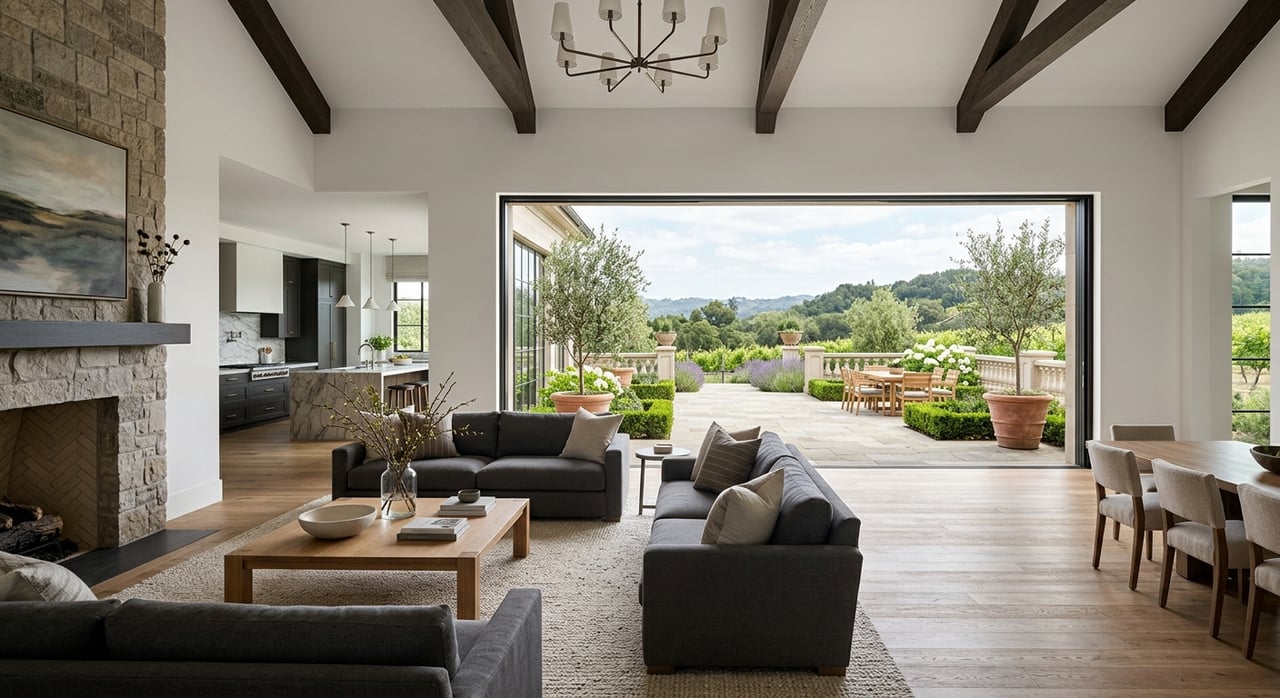
Luxury rentals in Wainscott can look simple from the outside: a beautiful home, a prime summer calendar, and strong demand. In practice, the opportunity is more nuanced. If you own in Wainscott or are considering a purchase with rental potential in mind, you need to understand how location, seasonality, amenities, and East Hampton Town rules all shape performance. This guide breaks down what actually drives luxury rental appeal in Wainscott and how to think about the market with more clarity. Let’s dive in.
Wainscott sits within East Hampton Town and is often understood as the town’s western gateway. That position matters because access is part of the lifestyle equation for seasonal tenants, especially those balancing time between the Hamptons and other residences.
Planning materials also show that the Montauk Highway corridor plays a central role in Wainscott’s commercial and traffic pattern. For you as an owner or buyer, that means rental appeal is not just about the house itself. It is also about how the property feels on arrival, how easily guests can navigate parking and access, and how much privacy the setting offers.
A short distance to East Hampton Airport and transit service across the East End and South Fork add to the area’s convenience profile. For luxury renters, especially those planning short seasonal stays, ease of access can support demand.
Wainscott’s housing profile lines up with a luxury market. Brown Harris Stevens reported that in 2025, Wainscott single-family homes had an average price of $5.923 million and a median price of $2.621 million. Those are sale figures, not rent data, but they point to a housing stock that can support premium seasonal pricing.
Across the Hamptons, the strongest rental demand tends to center on oceanfront and waterfront homes, estates with pools, and modern renovations. A February 2026 market summary described premium inventory as leasing early, with broad seasonal ranges from about $50,000 for simpler homes to more than $1 million for ultra-luxury compounds.
That does not mean every Wainscott property fits the top tier. It does mean that when your home combines strong design, privacy, outdoor living, and a compelling location, it can compete for serious seasonal demand.
Beach access remains one of Wainscott’s most important rental drivers. East Hampton Town lists Beach Lane and Town Line among Wainscott beaches, and Beach Lane offers vehicular access with a town permit.
That kind of access can strengthen a property’s summer appeal, even though Beach Lane is not a standard lifeguarded swimming setup year-round. The town notes that swimming is prohibited when no lifeguard is on duty, and parking and permit rules apply. For renters, the value is often broader than swimming alone. It is about coastal access, daily routine, and the Hamptons lifestyle.
Wainscott is not only about beach proximity. East Hampton Town also maintains protected lands in the area, including Wainscott Green, which has ADA-accessible multi-user trails.
For many luxury tenants, preserved land and a quieter residential atmosphere are part of the appeal. If your property benefits from a more tucked-away setting or easy access to open space, that can add to its attractiveness during the summer season.
In Wainscott, timing is everything. East Hampton Town says most lifeguarded town beaches open on Memorial Day weekend, operate on weekends until mid-June, and then run daily through Labor Day. That seasonal rhythm helps define when demand accelerates.
There are also beach-driving restrictions to keep in mind. The town’s guide says the Wainscott ocean beach segment is seasonally restricted for vehicle access from the Thursday before Memorial Day through September 15, between 10 a.m. and 6 p.m. If your rental strategy leans on beach access as a selling point, it helps to understand the actual rules and how they affect guest expectations.
Hamptons-wide online vacation rental data from StayMarquis shows how large the market remains. In 2024, bookings totaled 40,480, booking revenue reached $217.56 million, the average nightly rate was $1,177, and revenue per property was $53,481.
More recent 2026 market commentary suggests prime inventory is getting absorbed earlier, with many top summer homes spoken for before February. One market source also noted that July has overtaken August as the most in-demand month. For you, the takeaway is practical: if rental income is part of your ownership strategy, planning early is no longer optional.
Not every luxury home performs the same way in the rental market. Based on Hamptons-wide demand patterns and local planning context, the homes that tend to stand out are those that combine design quality with ease of use.
Features that often support stronger luxury rental appeal include:
Planning studies describe Wainscott’s commercial strip as auto-oriented and discuss recurring concerns around parking, access management, and walkability. That context suggests that residential properties away from heavier corridor activity may offer a calmer experience for seasonal tenants. That is a market inference, but it is a useful one when evaluating rental positioning.
Luxury rental potential is not just about rates and demand. In Wainscott, it is also about compliance.
East Hampton Town requires owners who rent residential property by the week, month, season, or year to register their rental and obtain a Rental Registry Number. According to the town, that process includes a notarized registration form, a self-inspection checklist, proof of a Certificate of Occupancy, and a $100 filing fee for a two-year term. The registry number is intended to appear in rental advertisements.
That requirement is important for owners trying to approach the market in a polished and professional way. In a high-value rental environment, tenants and representatives often expect a property to be presented correctly from the start.
Lease structure also matters. An East Hampton Town code excerpt states that a single-family residence rented or occupied for terms of not more than two weeks on three or more occasions during any six-month period is considered unlawful motel use.
For many owners, that changes the strategy. Instead of relying on frequent short turnover, the better path may be a limited number of high-value, compliant seasonal bookings aligned with your own calendar. That is an inference from town rules and Hamptons booking patterns, but it reflects how many owners think about balancing income, privacy, and risk.
If you are evaluating Wainscott’s luxury rental potential, it helps to think in layers rather than headlines. A home may have beautiful finishes, but if access is awkward, the booking window is missed, or the lease structure is not aligned with local rules, performance can fall short.
A more useful framework is to ask:
For some owners, the best opportunity is maximizing a short prime-season window. For others, it is preserving flexibility and using rental income selectively. In either case, the strongest outcomes usually come from treating the property as a curated asset, not just a vacancy to fill.
The broader Hamptons luxury backdrop remains supportive. Douglas Elliman and Miller Samuel reported a record Hamptons median sale price of $2.34 million and an average sale price of $3.76 million in the fourth quarter of 2025. Brown Harris Stevens also noted a high-demand Hamptons market and reported that sales over $10 million surged in 2025.
Those sales trends do not guarantee rental returns. They do, however, support the case that top-tier Hamptons properties continue to attract affluent demand, and Wainscott remains part of that conversation because of its location, amenity profile, and high-end housing stock.
If you are buying, selling, or refining an ownership strategy, the key is to look past broad Hamptons headlines and understand how Wainscott works on its own terms. That is where informed advice can make a meaningful difference.
If you want a more tailored view of how a specific Wainscott property may perform as a luxury rental or fit into a broader ownership strategy, connect with Matthew Breitenbach for discreet, market-specific guidance.