Positioning Bridgehampton New Construction For Maximum Reach
read article
What makes one Sagaponack estate linger in a buyer’s mind while another fades into the blur of luxury listings? In a market where many homes offer acreage, privacy, and polished finishes, the difference often comes down to how clearly the property’s story is told. If you are selling, buying, or simply trying to understand what drives attention at the very top of the Hamptons market, it helps to see why narrative matters here. Let’s dive in.
Sagaponack is not a generic luxury market. It is an incorporated village in the Town of Southampton, established in 1653 and incorporated in 2005, with about 4.56 square miles and a small year-round population that grows seasonally. That scale gives the village a distinct sense of place, and buyers often respond to that broader setting as much as they respond to the home itself.
In practical terms, storytelling helps connect a property to the lifestyle and context that make Sagaponack unique. A listing can describe square footage, bedroom count, and amenities, but those details do not fully explain what it feels like to own in a preserved, low-density coastal village with agricultural land, open space, and Atlantic access. The story gives those facts meaning.
That matters even more at the high end. In Q4 2025, Sagaponack’s median sales price was $9.5 million, compared with a Hamptons-wide median of $2.35 million, according to the latest Douglas Elliman and Miller Samuel Hamptons report cited in the research. In a market at that level, presentation is not cosmetic. It shapes how buyers interpret value.
One reason storytelling works so well here is that Sagaponack already has a strong identity. The village’s official history describes an early Southampton settlement bordered by the Atlantic, with ponds, forest, and productive soil that has remained nearly pristine. That is not invented marketing language. It is part of the documented record of the place.
The village also has local structures that reinforce preservation and design oversight. After incorporation, Sagaponack established its own Building Department, Planning Board, Zoning Board, and Architectural and Historic Review Board. For buyers and sellers, that means architecture, stewardship, and visual continuity are part of how the village functions.
Official planning materials add another layer. Land-use and zoning maps show preserved open space, agricultural reserve and open space, and agricultural overlay districts alongside residential zones. When a listing frames a home within a farm-to-ocean setting, that description is grounded in the village’s physical pattern, not just aspirational copy.
In Sagaponack, buyers are often evaluating more than the residence itself. They are assessing privacy, scale, surrounding land use, and the overall experience of the property within the village. A home may be beautiful on paper, but the strongest listings explain why the setting is hard to replicate.
This is especially important in a village with very few public facilities and a limited commercial footprint. According to the village’s planning materials, Sagaponack is predominantly single-family residential, with agriculture as the most common non-residential land use. That low-density pattern creates the sense of discretion and retreat many luxury buyers are seeking.
For some clients, especially those with high public visibility or complex schedules, that wider context can carry real weight. Privacy is not just about hedges, gates, or square footage between neighbors. It is also about the surrounding environment and how controlled, quiet, and consistent it feels.
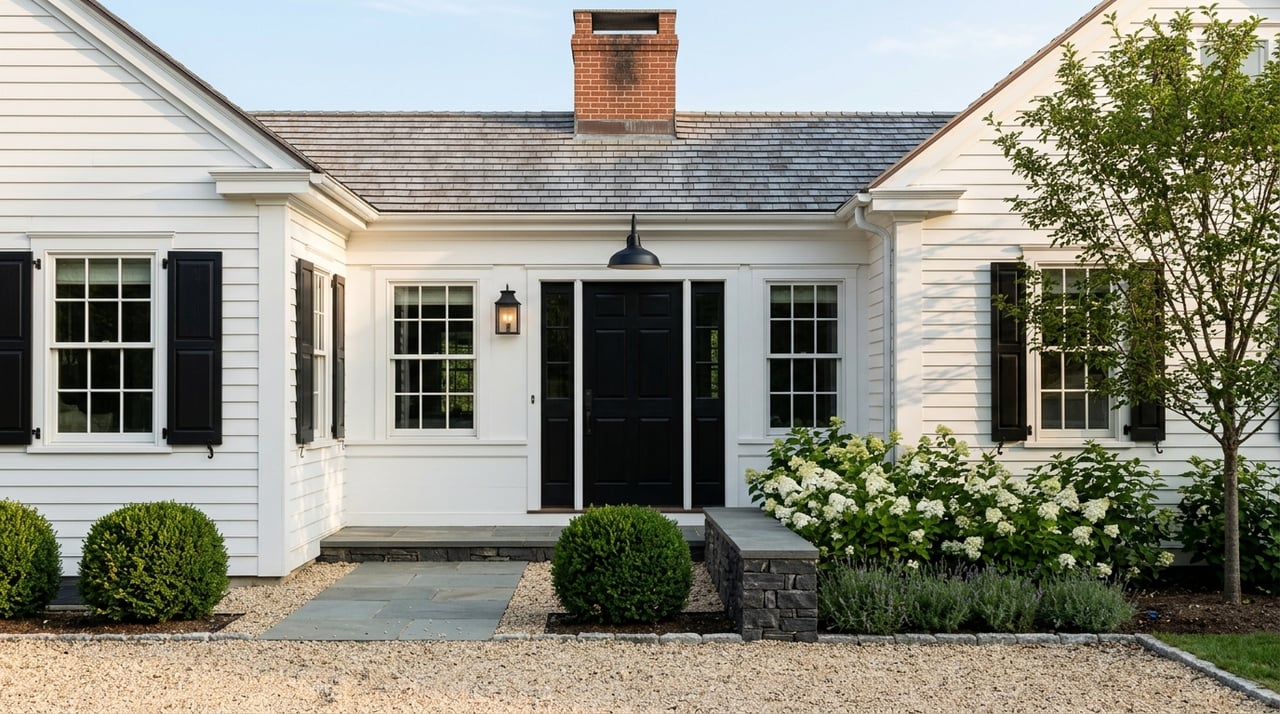
Some of the strongest Sagaponack listings begin with architecture. That can mean an older farmhouse, a saltbox, a restored structure, or a newer architect-designed estate that reflects the area’s longer design lineage. The goal is not to romanticize the property, but to show how the home fits within Sagaponack’s established visual and historical context.
When this is done well, the copy connects original use, restoration decisions, materials, and present-day function. Instead of presenting the house as an isolated object, the narrative places it within a local continuum. For buyers, that often creates a stronger emotional and intellectual connection.
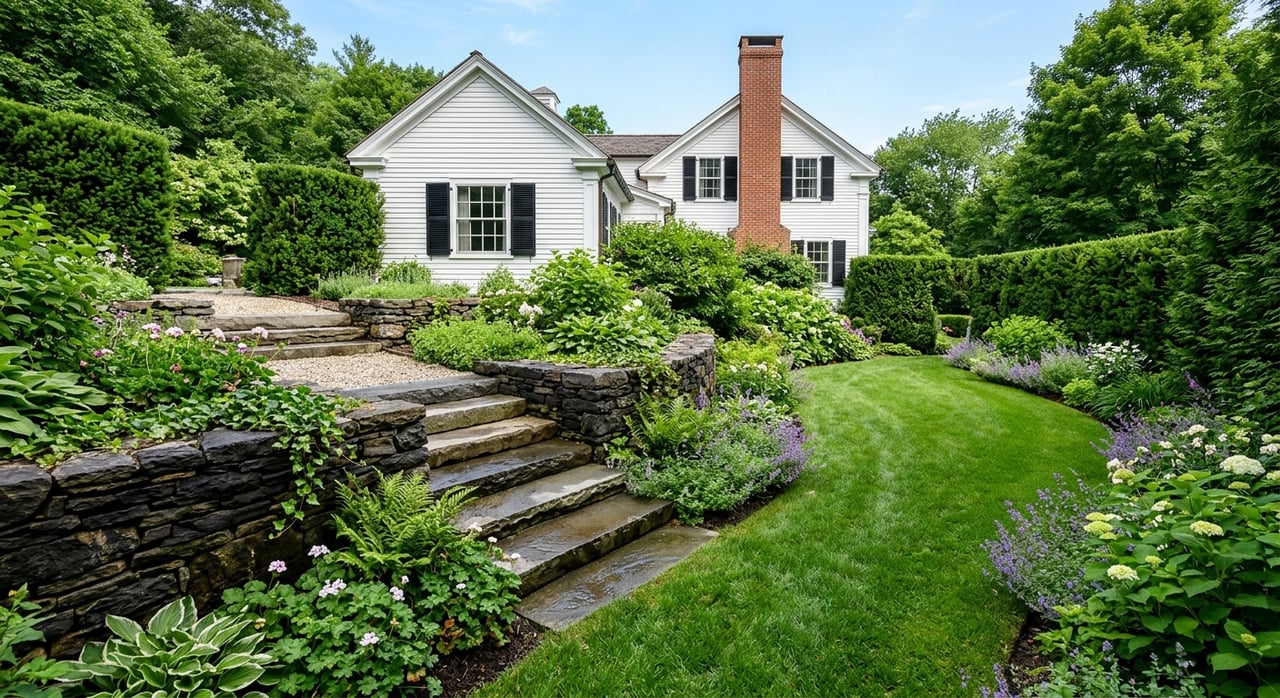
Sagaponack’s setting is one of its clearest advantages. Official maps show a landscape shaped by preserved land, agricultural use, ponds, and the Atlantic edge. That makes the relationship between house and land a central part of any effective listing story.
A compelling narrative might focus on how the estate opens to reserve land, how sightlines move toward open sky, or how outdoor spaces relate to the surrounding terrain. In this market, the landscape is not a backdrop. It is part of the asset.
Scarcity is one of the most persuasive themes in Sagaponack because it is supported by the village’s size and land-use pattern. With a small footprint, a seasonal population, and preservation-minded governance, the village offers a level of enclosure that is difficult to reproduce elsewhere. That can be framed factually and effectively.
For sellers, this means a listing should articulate what is truly limited about the opportunity. It may be the scale of the parcel, the relationship to open land, the protected setting, or the rarity of a specific architectural expression. Buyers in this segment tend to notice nuance.
Lifestyle marketing works best when it stays grounded in real place-based details. Sagaponack naturally supports a story centered on coastal routines, entertaining, retreat, and seasonal living because the village’s rhythm already reflects those patterns. The home becomes a base for that way of life.
This is not about exaggeration. It is about showing how the property supports beach access, summer hosting, indoor-outdoor flow, and the quiet cadence of East End living. In a small, seasonal village, those ideas are often central to buyer motivation.
A great story is not a substitute for media. It works best when it is supported by visuals that make the narrative easy to understand. In luxury marketing, copy, photography, floor plans, and video should all reinforce the same central message.
That approach aligns with broader buyer behavior. Zillow’s 2024 consumer report found that 86% of buyers were more likely to view a home if the listing included a floor plan they liked, 70% said 3D tours helped them better understand space than static photos, and 49% said they would be at least somewhat confident making an offer after seeing a 360 or virtual tour without an in-person visit. The takeaway is simple: buyers absorb stories more effectively when the media package is coherent.
Staging also plays a role in helping buyers visualize the home. NAR’s 2024 staging research found that 83% of buyers’ agents said staging made it easier for buyers to see a property as their future home. In a market like Sagaponack, where many homes already meet a high standard, thoughtful presentation can sharpen the story rather than distract from it.
For a Sagaponack estate, effective marketing usually does a few things at once:
That last point matters most. The goal is not to tell the biggest story. It is to tell the most credible one.
If you are selling in Sagaponack, the marketing should do more than announce availability. It should translate the home’s real advantages into a narrative that a qualified buyer can quickly grasp. Without that framing, even a remarkable property risks being reduced to a list of luxury features that feel interchangeable.
That is one reason sellers continue to rely on experienced representation. NAR’s 2024 buyer and seller research found that 90% of sellers used an agent, in part for broader marketing reach and more competitive pricing. In a rarefied market, those fundamentals become even more important when paired with a thoughtful media strategy.
For signature estates, this is where advisory and storytelling intersect. The right team helps define the asset, shape the presentation, and position the home in a way that respects both privacy and market opportunity.
If you are buying in Sagaponack, understanding the story behind a property can help you evaluate it more clearly. A strong narrative should not hide weaknesses. It should reveal what is meaningful about the house, the site, and the village context.
That makes it easier to compare opportunities that may look similar at first glance. Two estates can share size, amenities, and price range, yet differ greatly in provenance, setting, and long-term appeal. The story helps clarify those differences.
In a village shaped by preservation, open land, and a highly specific coastal identity, context is part of value. Buyers who understand that often make more confident decisions.
At the top of the Hamptons market, storytelling works best when it is informed by local knowledge, careful positioning, and high-level media execution. Sagaponack rewards that approach because the village offers something unusually specific: documented history, protected character, limited scale, and a lifestyle that buyers can feel almost immediately.
For a seller, that means the home should be marketed as more than a collection of rooms and finishes. For a buyer, it means the right property should be understood not only by what it includes, but by what it belongs to. In Sagaponack, that distinction can be the difference between interest and conviction.
If you are preparing to sell a signature estate or searching for a discreet buying opportunity in Sagaponack, Matthew Breitenbach offers advisory-driven guidance shaped by deep Hamptons market knowledge, private access, and media-led positioning.